
When Does a Part Need Five-Axis CNC Machining?
Compare 3-axis, indexed 5-axis and simultaneous 5-axis machining by tool access, setup and drawing requirements.
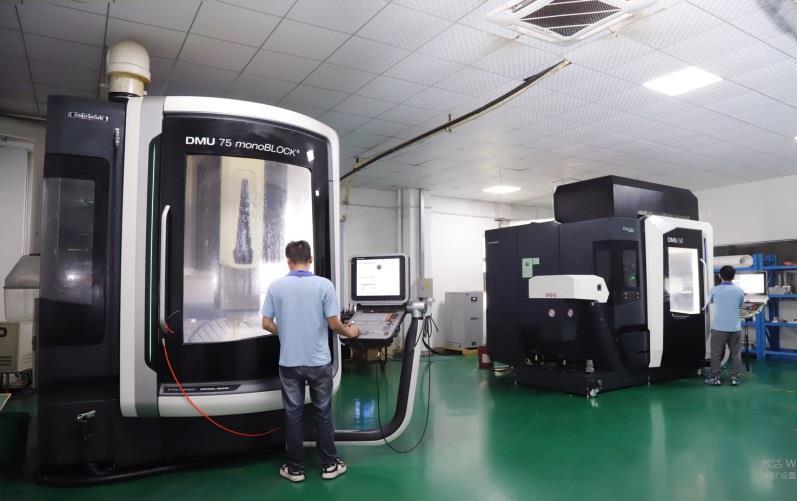
Start with the surfaces the cutting tool must reach. A plate with pockets and holes on one face is often a candidate for 3-axis milling. Side holes, angled faces or a surface that needs the tool to change orientation can call for additional setups or a five-axis approach.
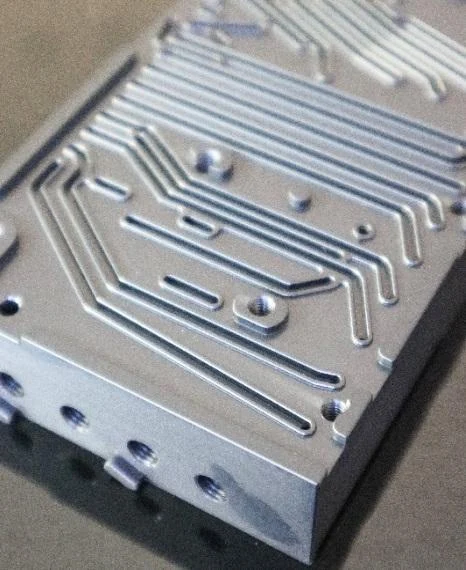
Three ways to reach the features
- 3-axis milling
- The tool moves along three linear axes. Parts with features accessible from one direction can often be cut in a straightforward setup. Features on other faces may require repositioning and a new fixture.
- Indexed five-axis machining (3+2)
- The machine positions the part or tool at an angle, then cuts with the rotary axes held still. This can make several faces accessible without re-clamping the part between them.
- Simultaneous five-axis machining
- The rotary axes can move during the cut. This is useful when a contoured surface needs the cutter angle to change as it travels.
What to flag when you request a quote
Send the current drawing and 3D model when available. Call out angled features, mating faces, tolerances between features on different faces, and any datums used for inspection. Those details help the shop assess which setups are practical. The CNC quotation checklist has the rest of the information to include.
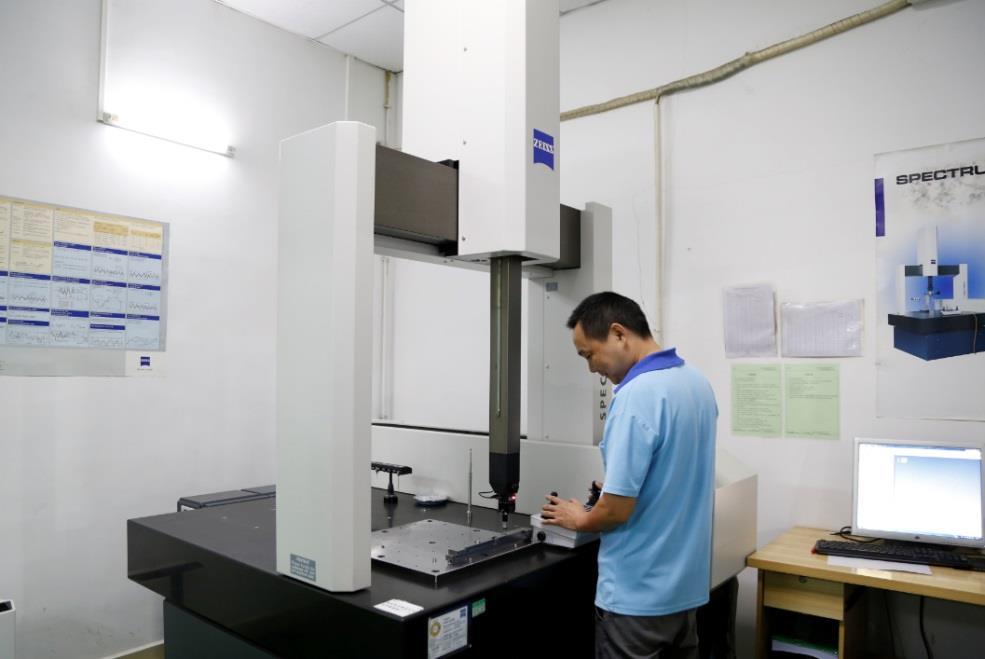
Compare CNC milling with five-axis machining, and review how K-TEK handles dimensional inspection before sending your drawing.
Further reading: Protolabs on 3-axis, indexed and simultaneous machining.
Request a Quote